


XATP 2025 Ultra Light Running Poles
October 19, 2025
 0574-65288269
 sales@ningbocomo.com


The right Trekking Pole length depends on the user’s height, body proportions, pole structure, and intended activity.
For adjustable models, the most important factor is not simply the Maximum Length. A suitable trekking pole should provide a practical Working Length range that fits the user while remaining within the product’s safe adjustment range.
Height is the easiest starting point when selecting trekking pole length.
| User Height | Suggested Starting Length |
|---|---|
| Under 155 cm | Around 100 cm |
| 155–165 cm | 105–110 cm |
| 165–175 cm | 110–115 cm |
| 175–185 cm | 120–125 cm |
| 185–195 cm | 125–130 cm |
| Over 195 cm | 130–135+ cm |
These values are only a reference. Arm length, posture, footwear, and personal preference can change the final Working Length, even for users of the same height.
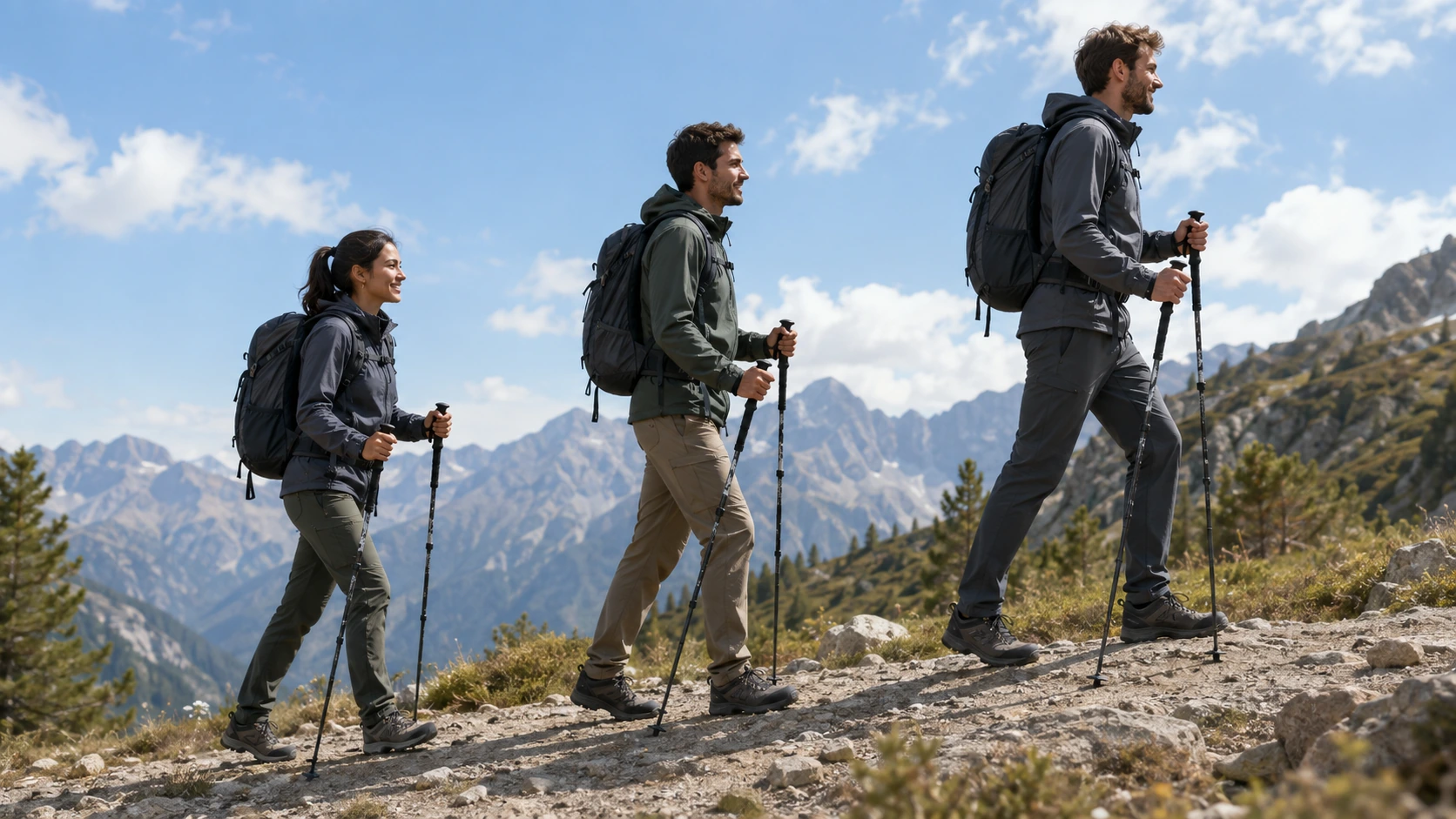
A common mistake is to judge a trekking pole only by its Maximum Length.
For example, a pole that extends to 135 cm does not mean every user should use it at 135 cm.
Important dimensions include:
The usable adjustment range is more important than the maximum number alone.
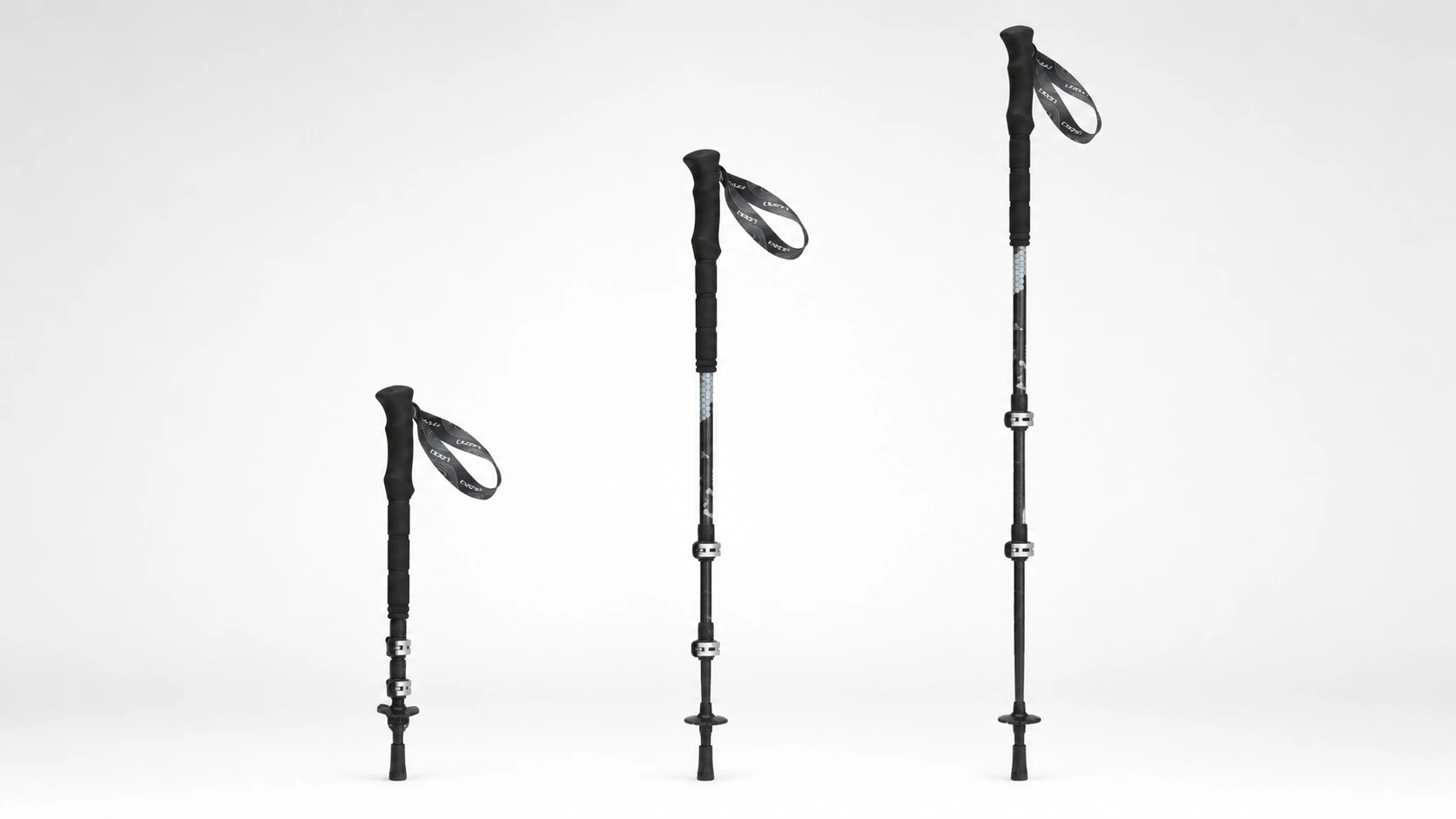
Adjustable Trekking Poles can cover a wider range of users.
When comparing models, check:
A wider range is useful only when the pole remains structurally secure throughout that range.
Fixed-Length Trekking Poles require more careful size selection because the Working Length cannot normally be changed.
Common options may include:
For brands and distributors, offering more sizes improves user fit but also increases SKU and inventory complexity.
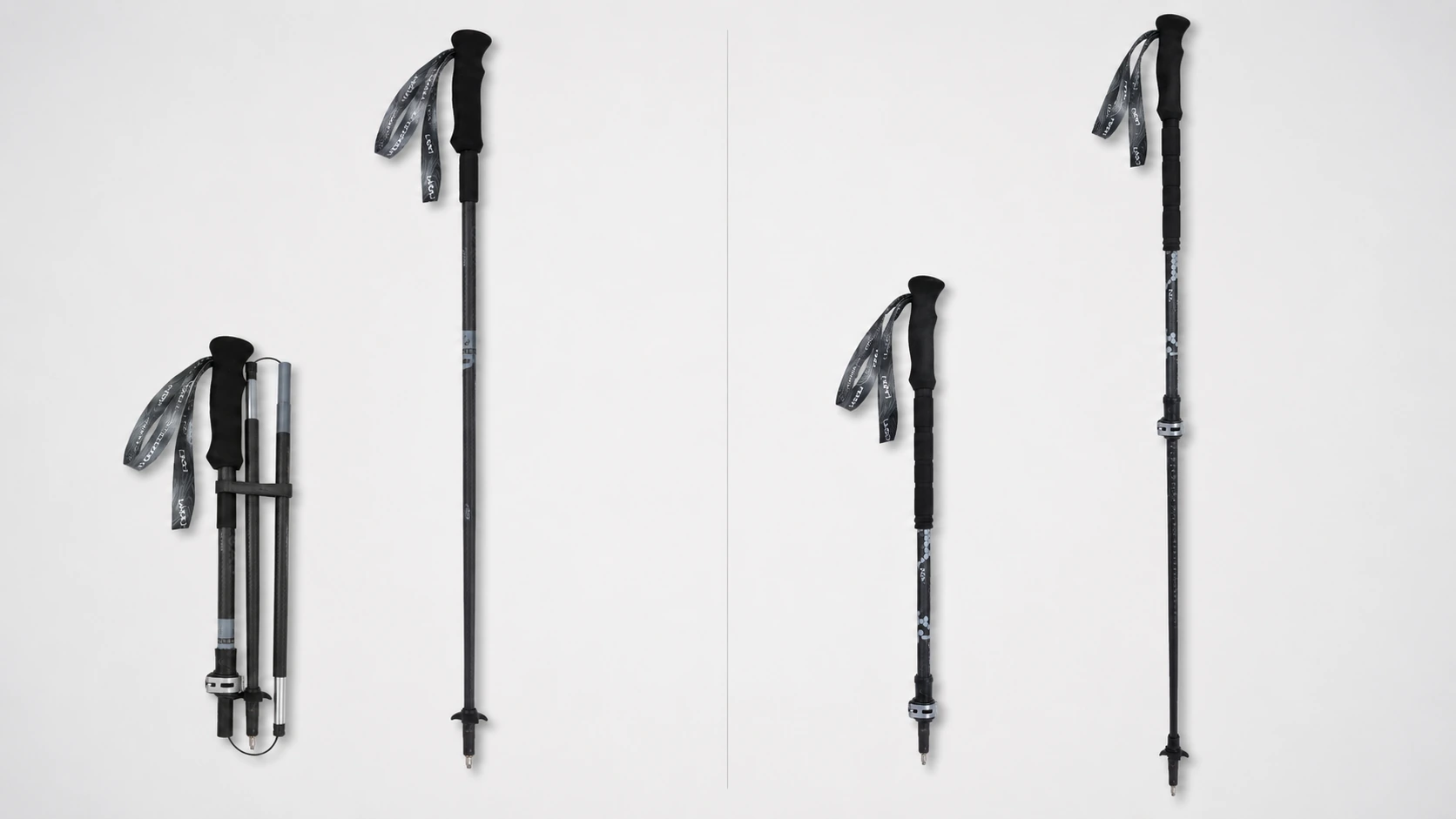
Folding and Telescopic Trekking Poles have different size priorities.
Folding Trekking Poles are often evaluated by both Working Length and Packed Length.
Their shorter Packed Length can be useful for travel, backpack storage, and compact packaging.
Adjustable Folding Trekking Poles provide some Working Length flexibility, while Fixed-Length Folding Trekking Poles require the correct size to be selected before purchase.
Telescopic Trekking Poles generally offer a wider and more direct adjustment range.
Their final dimensions depend on:
This makes them suitable for products designed to cover a broader user-height range.
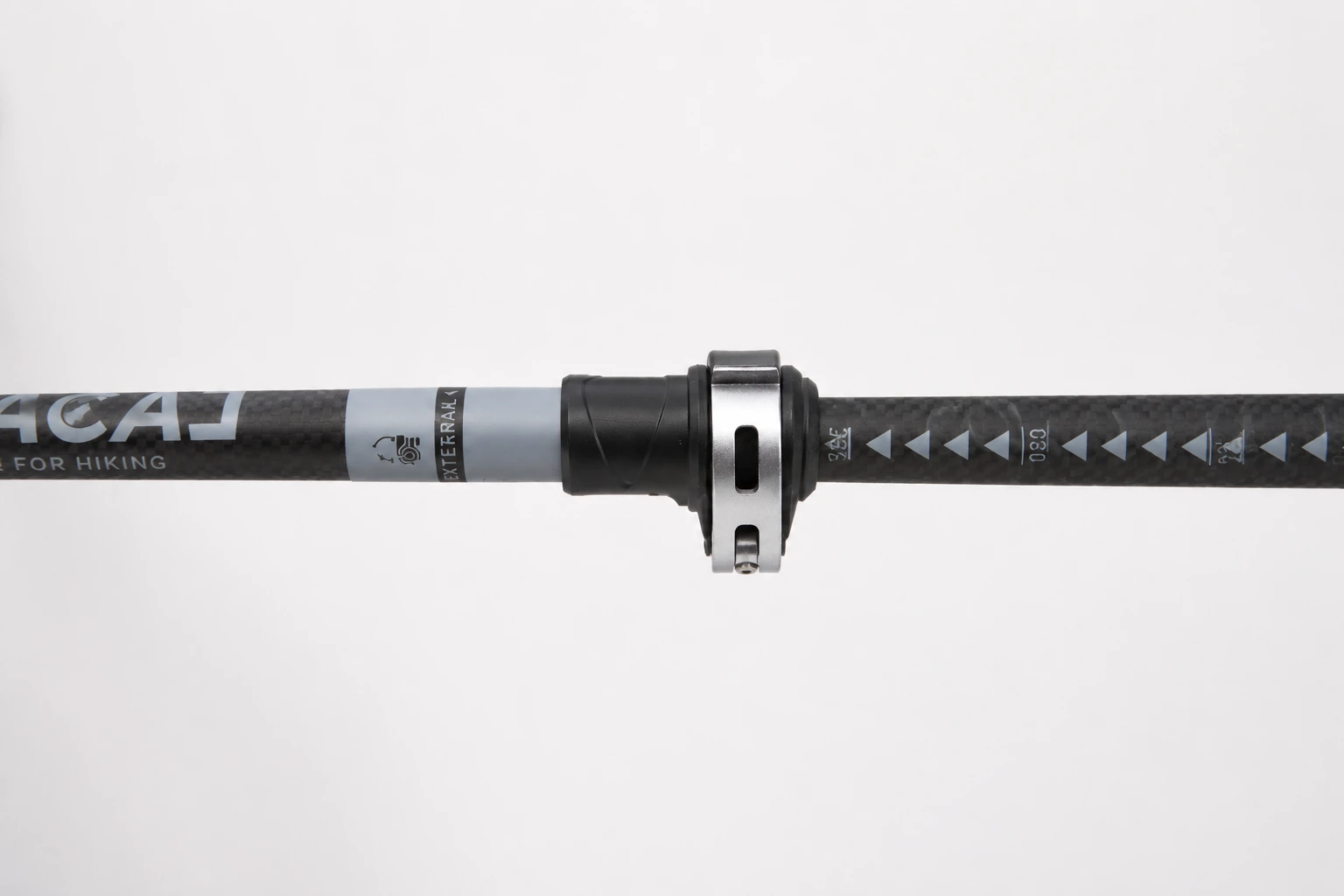
Adjustable trekking poles should never be extended beyond their safe adjustment marks.
Sufficient shaft overlap helps maintain:
Maximum usable length should therefore be determined by the product structure, not simply by how far a tube can physically be pulled out.
There is no universal answer.
120 cm, 125 cm, and 130 cm can all be suitable depending on the user’s height and body proportions.
For adjustable trekking poles, these may simply be settings within the overall Working Length range. For Fixed-Length models, selecting the correct size before purchase becomes much more important.
Working Length and Packed Length describe two different dimensions.
A pole may offer a long Working Length while still having a compact storage size.
This is especially important for:
Folding Trekking Poles usually prioritize shorter Packed Length, while Telescopic Trekking Poles often prioritize a broader Working Length range.
For B2B buyers, trekking pole length should be considered together with the complete product structure.
Key factors include:
Key Point: The best specification is not simply the longest adjustment range, but the range that fits the intended users while maintaining structural stability and practical Packed Length.
XATP provides OEM and ODM support for different trekking pole length and structural requirements.
Available options include:
Brands, importers, distributors, and retailers can review XATP’s Custom Trekking Pole OEM and ODM Services for additional project information.
How long should trekking poles be? Start with a length range that matches the user’s height, but do not judge a trekking pole by Maximum Length alone.
Working Length, Packed Length, shaft overlap, Locking System, and pole structure all affect whether the product is properly sized.
For adjustable models, the best trekking pole is the one that provides a practical and secure range for its intended users.
Manufacturing, R&D and production support for global trekking pole projects.


